



Avoid These 7 Mistakes When Designing F&B Staff Uniforms in Singapore
19 Feb 2026
Activecool fashion

In Singapore’s food and beverage scene, first impressions form fast and last long. Guests notice uniforms before menus or plating style. F&B uniform design supports staff comfort and daily operations. Poor choices create discomfort and an unpolished image. Many businesses repeat the same design mistakes. This guide breaks down seven common errors and explains how to avoid them with practical thinking.
Why F&B Uniform Design Matters in Singapore’s Service Environment
Uniforms influence more than just appearance. F&B uniform design shapes hygiene standards and brand perception each day. Teams work long hours in warm conditions. They manage food, equipment, and guests throughout every shift. A thoughtful uniform supports daily tasks without distraction. Poor design choices create fatigue, safety issues, and inconsistent presentation across service teams.
Mistake 1: Ignoring Practical Needs in F&B Uniform Design
F&B uniform design must support long shifts, fast movement, and varied tasks. Some designs focus only on appearance and ignore daily realities. Tight cuts restrict motion. Heavy fabrics trap heat. Complicated closures slow staff during peak hours.
Staff members constantly bend, reach, lift, and move. Uniforms should support these actions without strain. Designers should consider job roles before finalising silhouettes.
Key practical points often missed include:
- Easy movement around the shoulders and arms.
- Breathable fabric suitable for kitchen or floor heat.
- Simple fastenings that save time.
Mistake 2: Choosing the Wrong Fabric for Singapore’s Climate
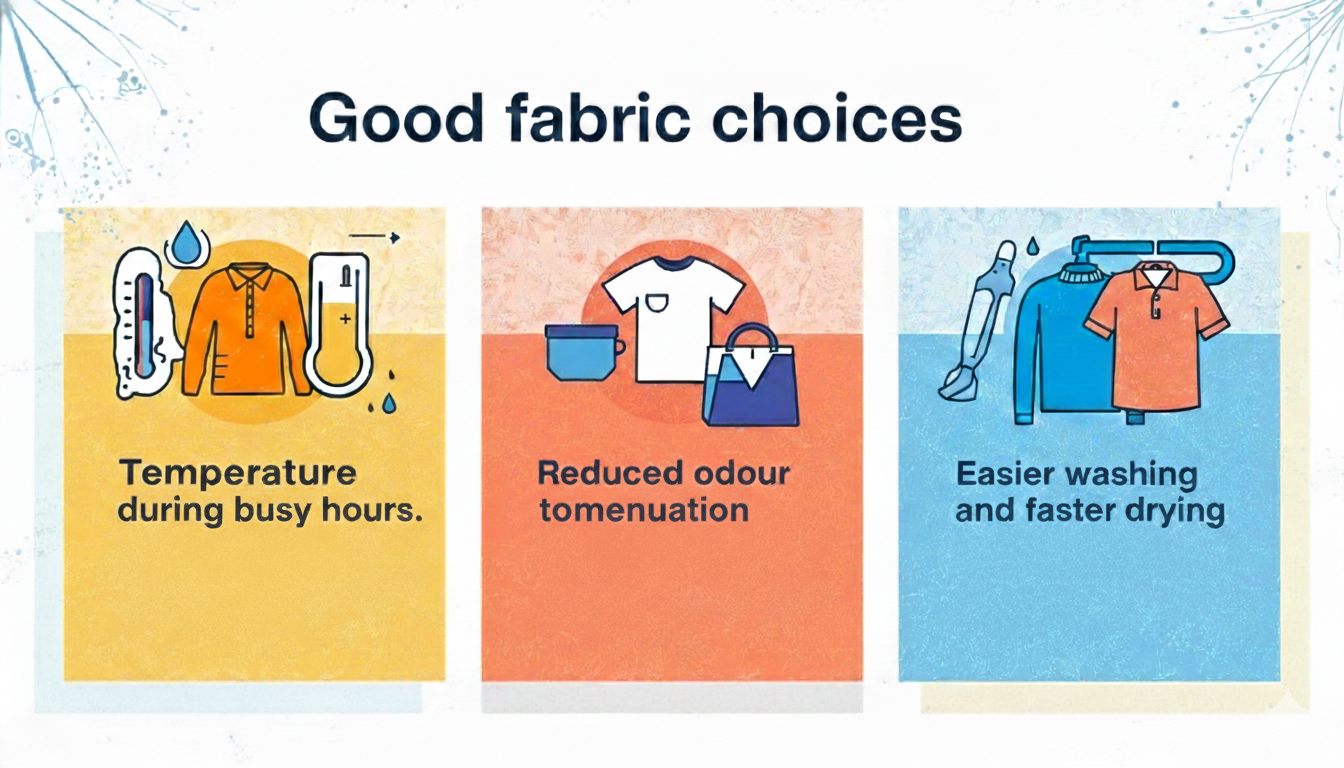
Singapore’s humidity challenges fabric choices every day. Synthetic or thick materials trap sweat and heat. Staff can feel uncomfortable within hours. This discomfort shows in posture, energy, and engagement with customers.
Good fabric choices help with:
- Temperature control during busy hours.
- Reduced odour retention.
- Easier washing and faster drying.
Climate-aware fabric selection keeps teams comfortable and professional throughout service.
Mistake 3: Overcomplicating the Uniform Look
Some businesses add too many visual elements. Extra buttons, bold trims, heavy embroidery, or layered pieces may look appealing in concept. In practice, they slow down staff and complicate maintenance. Simple designs age better and adapt across roles. Clean lines also support brand clarity without distraction. Overdesigned uniforms distract from service and food presentation.
Clear design choices should focus on:
- One or two brand colours.
- Minimal hardware or accessories.
- Easy-to-match pieces across roles.
Mistake 4: Ignoring Safety Requirements
F&B uniform Singapore must support workplace safety. Safety often receives less attention during design discussions. Slippery floors, hot surfaces, and sharp tools define F&B environments. Uniforms should reduce risk, not add to it.
Loose sleeves near flames or machinery pose a hazard. Poor footwear support increases fall risk. Non-resistant fabrics may tear easily during kitchen tasks.
Safety-focused design considers:
- Proper sleeve length for kitchen roles.
- Slip-resistant footwear compatibility.
- Durable stitching in high-stress areas.
Mistake 5: Designing Without Role Differentiation
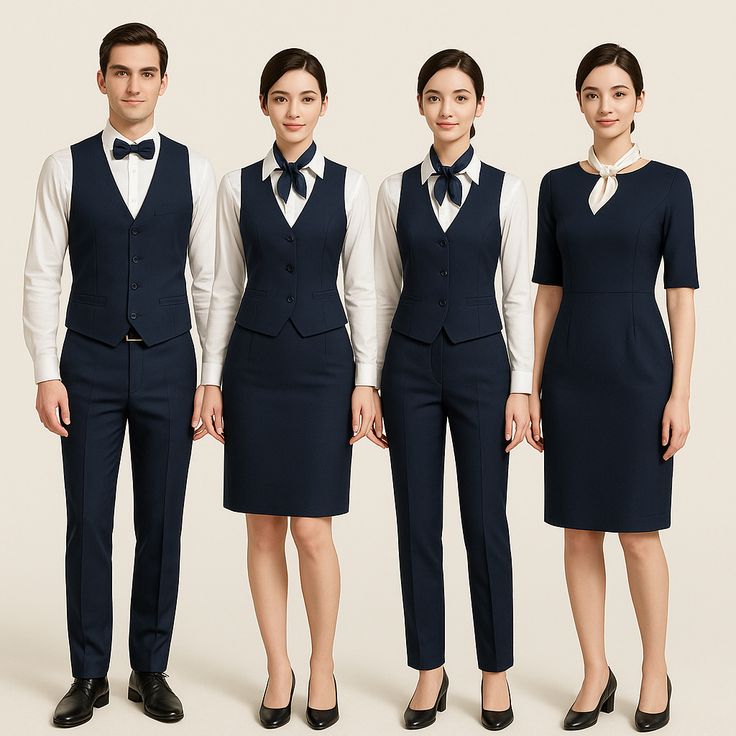
Not all F&B roles share the same needs. Kitchen staff and bar teams face different situations. A single F&B service uniform style may fail to support all roles equally.
Kitchen teams need heat management and durability. Front-of-house staff need mobility and a polished look. Bar teams require flexibility and spill resistance.
Role-based adjustments improve performance:
- Different fabrics for the kitchen and service areas.
- Slight design variations within the same brand theme.
- Functional pockets where needed.
Mistake 6: Forgetting About Fit and Size Inclusivity
Uniforms that come in only a limited size range cause discomfort. Poor fit affects posture and morale. Staff may feel self-conscious during service. Designers should account for body variety. Multiple cuts or adjustable parts support comfort.
Inclusive fit planning includes:
- Size ranges that reflect real staff demographics.
- Adjustable waists or flexible panels.
- Try-on testing before bulk production.
Mistake 7: Overlooking Maintenance and Longevity
Uniforms need regular washing. Designs that require special care raise operational costs. Colours may fade quickly. Easy-care materials reduce long-term costs. Durable structure ensures uniforms remain presentable longer.
Maintenance-friendly design features include:
- Colourfast fabrics.
- Wrinkle-resistant materials.
- Reinforced seams in high-use areas.
Practical maintenance planning saves time and money over months of use.
How to Approach Uniform Design the Right Way
A strong, F&B service uniform design process starts with listening. Staff feedback often highlights real problems that managers may overlook. Trial times allow adjustments before full rollout. Clear communication between designers and operations teams prevents incompatible expectations.
Effective planning steps include:
- Observing staff during actual service hours.
- Testing fabrics under working conditions.
- Reviewing security and hygiene procedures.
Balancing Brand Image With Daily Function
Uniforms represent brand values visually. At the same time, they support staff during demanding workdays. Strong design balances these goals without compromise. Colour choices should align with brand identity while hiding stains. Cuts should appear professional while allowing movement. Accessories should remain minimal and purposeful.
A balanced approach builds:
- Consistent brand recognition.
- Comfortable and confident staff.
- Positive guest perception.
Uniforms work best when they serve people first.
Conclusion
Uniform design shapes daily operations more than many realise. Each mistake affects comfort, safety, and service flow. Businesses that invest time and thought into F&B uniform Singapore achieve smoother operations and stronger team morale. By avoiding these seven common errors, brands create uniforms that work as hard as their staff. ActiveCool Fashion supports this practical approach by focusing on comfort, function, and clean design that fits Singapore’s demanding F&B environment.