



Tips to Care for Your Custom Printed T Shirts
6 Jan 2026
Activecool fashion
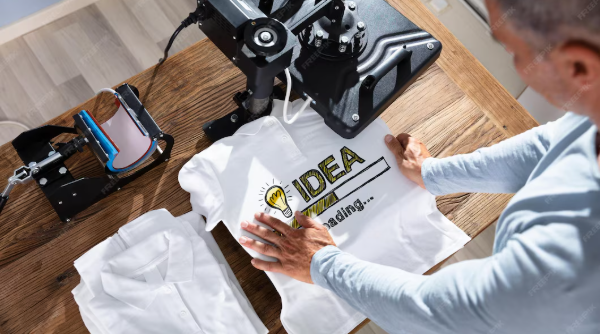
T-shirts do more than cover the body. They represent teams, events, schools, and brands in everyday settings. A customised shirt carries print detail and fabric structure that people notice over time. Care habits determine how long that quality stays visible. Many shirts lose their finish early due to simple mistakes made at home or at work.
Washing routines and storage methods affect printed designs more than daily wear does. Heat and chemicals slowly break down ink and fibres when basic care steps are ignored. This matters even more for bulk orders used in uniforms or promotions. Consistency becomes an issue when many people wear the same design. This guide explains practical, easy ways to care for printed shirts properly.
Understand Your Customised Shirt Before the First Wash
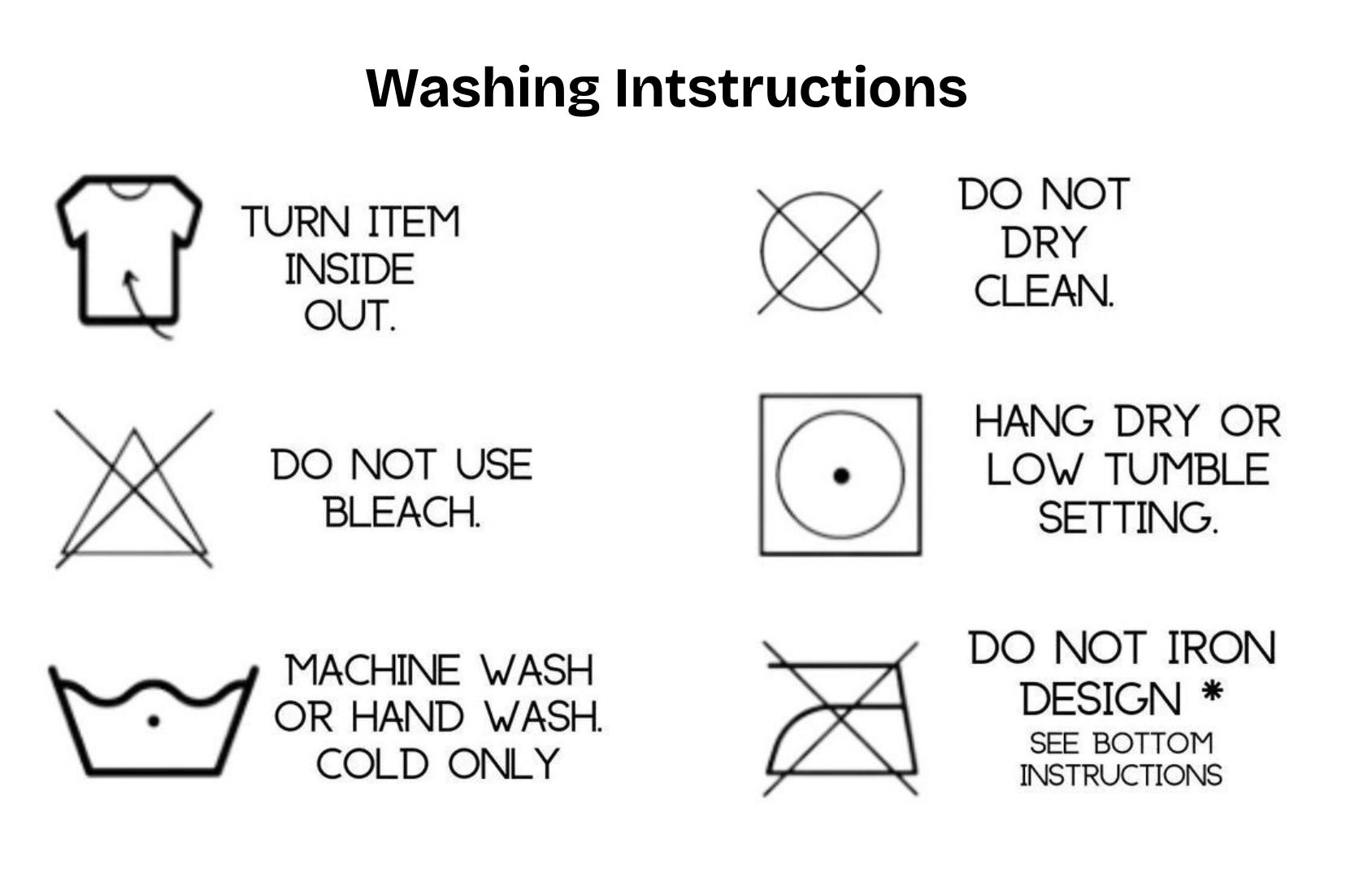
Every custom-made shirt has specific fabric types and printing methods. Cotton and polyester respond differently when washing. It is therefore important to know all the details about the shirt before washing.
Before washing, always check:
- Fabric composition is usually listed on the label.
- Print method used during production.
- Recommended wash temperature.
A Singapore tshirt supplier usually includes care instructions for a reason. Ignoring them causes cracking, fading, or fabric shrinkage.
Turn Printed Shirts Inside Out
Washing your shirts inside out reduces direct friction on printed areas. Fabric rubbing against other clothes weakens ink bonding over time. This simple step extends print clarity without adding effort.
Inside-out washing helps:
- Reduce surface abrasion.
- Protect ink texture and sharp edges.
- Limit colour fading.
This habit works well for a customised shirt and standard T-shirts.
Use Cold Water for Every Wash
Hot water breaks down print adhesive and shrinks fibres. Cold water protects the fabric's shape and the printed coatings. Mild detergents clean effectively even at low temperatures.
Cold water washing:
- Preserves colour brightness.
- Prevents ink softening.
- Reduces fabric stress.
Most shirt-printing professionals in Singapore recommend cold washing.
Choose Mild Detergents Only
Harsh detergents strip colour and weaken fibres. Strong chemicals damage print surfaces faster than regular wear. Mild detergents clean without attacking ink or cloth.
Avoid products with:
- Bleach or whitening agents.
- Strong enzymes.
- Heavy fragrances.
Simple detergents work best for apparel wholesale items that need constant quality across many washes.
Never Overload the Washing Machine
Bulk washing machines cause friction and uneven cleaning. Shirts rub against zippers and rough materials. This contact damages printed areas first.
Wash custom printed shirts:
- In small loads.
- With similar fabric types.
- Away from heavy garments.
This approach helps maintain consistent results across large custom orders.
Skip the Dryer Whenever Possible
Heat damages printed customized polo shirts also. High temperatures crack ink and shrink fabrics.It weakens seams and printed areas. So, air drying is the safest option.
Air drying benefits include:
- Longer print life.
- Reduced fabric stress.
- Better shape retention.
When time is tight, use only the lowest heat setting.
Dry Shirts Flat or on Hangers

Hanging shirts by the shoulders keeps shape intact. Flat drying prevents stretching near seams.
Good drying habits:
- Smooth prints gently before drying.
- Avoid direct sunlight during drying.
- Keep prints facing inward.
Sunlight fades colours faster, especially on a dark customised shirt.
Iron With Caution
Direct heat damages printed designs instantly. Never iron over printed areas. Always turn shirts inside out before ironing.
Safe ironing tips:
- Use low heat settings.
- Place a cloth between the iron and the fabric.
- Avoid steam on prints.
These steps protect both the ink and the textile structure of your custom made shirts.
Store Printed Shirts Properly
Storage affects shirt condition more than many realise. Folding printed areas together causes sticking and cracking over time.
Store shirts:
- Folded with prints facing outward.
- Hung on smooth hangers.
- In dry, cool spaces.
Good storage helps apparel wholesale stock stay retail-ready longer.
Handle Stains Carefully
Aggressive stain removal ruins printed areas fast. Scrubbing and chemical treatments weaken ink bonds.
Stain care tips:
- Dab instead of rubbing.
- Use mild soap solutions.
- Avoid direct contact with prints.
Test any cleaner on a hidden area first.
Wash Printed Shirts Less Often
Overwashing causes unnecessary wear. Light use rarely requires full washing cycles. Airing custom-made shirts between uses helps reduce wash frequency.
This habit:
- Preserves print texture.
- Saves fabric strength.
- Reduces colour fading.
Corporate teams using custom-made shirts benefit greatly from this approach.
Separate Colours During Washing
Colour bleeding ruins light fabrics quickly, so separate whites and darks. Printed areas absorb stray dye easily.
Colour separation:
- Maintains shirt brightness.
- Prevents dull prints.
- Keeps designs sharp.
This step matters most for large uniform batches.
Understand Print Method Sensitivities
Different t shirt printing methods age differently. Screen prints resist wear but crack under heat. Heat transfers peel under friction. Digital prints fade with harsh detergents.
Knowing this helps users:
- Adjust wash routines.
- Set the correct heat levels.
- Extend garment lifespan.
A reliable Singapore tshirt supplier explains this during the ordering process.
Educate Teams and End Users
Uniforms and event shirts last longer when everyone follows care rules. Clear instructions reduce replacement costs and maintain brand image.
Share care guidelines:
- On internal notices.
- During distribution.
- With printed tags.
ActiveCool Fashion often advises clients to educate users for better long-term results.
Caring for Customized Polo Shirts
Customized polo shirts need extra care due to the collars and structured fabric. Improper washing distorts shape and print alignment.
Best practices:
- Button up before washing.
- Lay collars flat during drying.
- Avoid twisting fabric.
These steps maintain a professional appearance.
Long-Term Care for Bulk Orders
Businesses ordering apparel wholesale need consistency across batches. Care routines directly affect how long uniforms stay presentable.
Consistent care ensures:
- Reduced re-ordering frequency.
- Better brand visibility.
- Lower replacement costs.
ActiveCool Fashion supports long-term wear through reliable t-shirt printing and fabric choices.
When to Replace Printed Shirts
No shirt lasts forever. Prints fade naturally with time and use. Replacing worn items keeps branding sharp and professional.
Replace shirts when:
- Prints crack visibly.
- Fabric thins excessively.
- Colours lose clarity.
Planning replacements avoids rushed orders. A reliable Singapore t-shirt supplier also advises on materials and print methods that suit frequent wear and local weather conditions.
Conclusion
Custom printed T-shirts last longer when people handle them with care and consistency. Good care keeps prints sharp and fabric comfortable through repeated use and regular washing. Small habits protect the value of custom-made shirts across teams, events, and daily wear. A little attention ensures every customised shirt continues to represent your brand properly. Following these steps protects customised shirts across daily use, events, and corporate settings.
Choosing a reliable Singapore t-shirt supplier ensures consistent print quality, fabric durability, and dependable long-term results. ActiveCool Fashion designs apparel with durability in mind, but care completes the process. Simple habits keep prints sharp, fabrics strong, and branding clear for years.