



Sustainable Clothing: A Real Solution to Climate Change?
15 Apr 2025
Activecool fashion

The price of the top you purchased the other day at a shop is much higher than the price on the sticker. It costs the earth almost 10 percent of the world's carbon emissions and exceeds that of flying and ships. From climate-changing synthetics and plastic-contaminated apparel to water-scarce farming for cotton, how you get dressed is fundamentally tied to how sick the world gets.
But the best part is that sustainable fashion is not just a trend; it’s a movement. The sustainable clothing scene in Singapore and worldwide proves that fashion can be fashionable, responsible, and earth-friendly. So, in the fight against climate change, does moving toward sustainable fashion have a place? Let's clarify.
How Sustainable Clothing Can Reduce Environmental Footprint

1.1 The Fast Fashion Issue
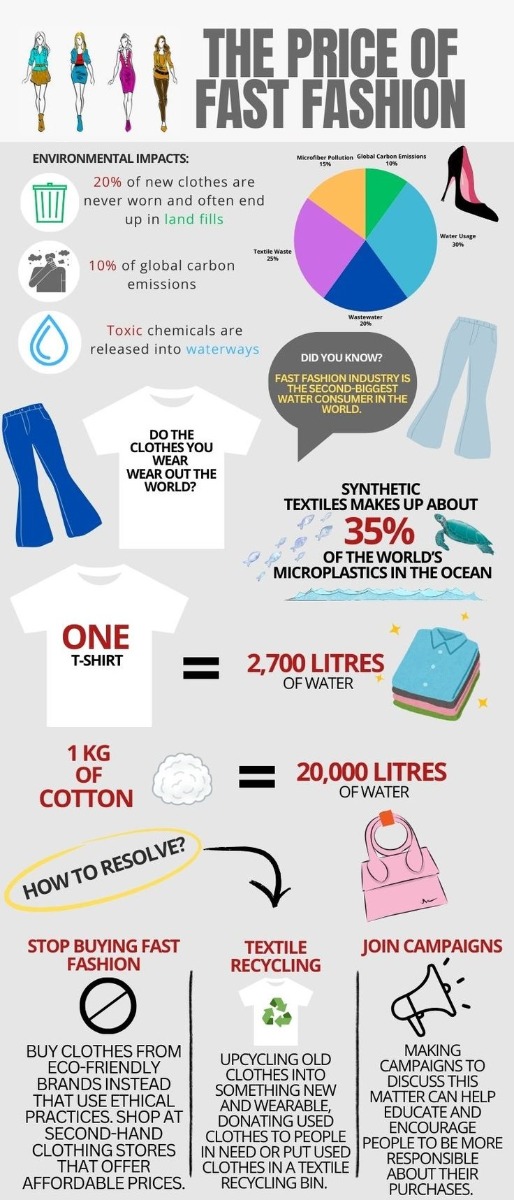
Fast fashion has led to absurd, illogical overproduction, pollution, and textile waste. Brands churn out cheap, trendy pieces that can only be worn for a few months before we toss them in the landfill. Think about it:
- The fashion industry generates 92 million tons of textile waste annually worldwide.
- It takes 2,700 liters of water to manufacture a single cotton T-shirt, enough drinking water to keep one person going for the next 2.5 years.
- Synthetic materials like polyester take as long as 200 years to decompose, contributing to plastic pollution globally.
- Fashion has to be flipped on its head.
1.2 Diversity of Fashion on Its Support to The Planet
Sustainable fashion accommodates this by encouraging green fabrics, sustainable production, and recycling efforts. Here's how:
-
Organic Cotton
Organic cotton is farmed without pesticides and requires less water than regular cotton. It prevents chemicals from running off into water bodies and shields farmers from pesticide exposure.
-
Recycled Fabrics
Several eco-friendly apparel manufacturing currently upcycle used clothing and plastic bottles into new apparel. Materials such as recycled polyester reduce waste and lower environmental output.
-
Biodegradable Textiles
Natural fabrics such as hemp, bamboo, and Tencel break down much faster than synthetics, reducing pollution in landfills. Some brands use compostable materials that break down within months.
The impact of sustainable Fashion on Climate Change
Let us see how a shift towards eco-friendly materials and right clothing manufacturers in Singapore can assist:
|
Sustainable Material |
Carbon Footprint Reduction |
Water Usage Reduction |
Waste Reduction |
|
Organic Cotton |
Up to 46% lower emissions |
91% less water used |
Less chemical runoff |
|
Recycled Polyester |
75% lower CO₂ emissions |
Uses 90% less water |
Reduces plastic waste |
|
Hemp Fabric |
Absorbs CO₂ while growing |
Uses 50% less water than cotton |
Naturally biodegradable |
Sustainable clothing in Singapore isn’t a buzzword; it’s a best practice for fighting climate change.
Fashion Talk: The Importance of Slow Fashion
What is Slow Fashion?
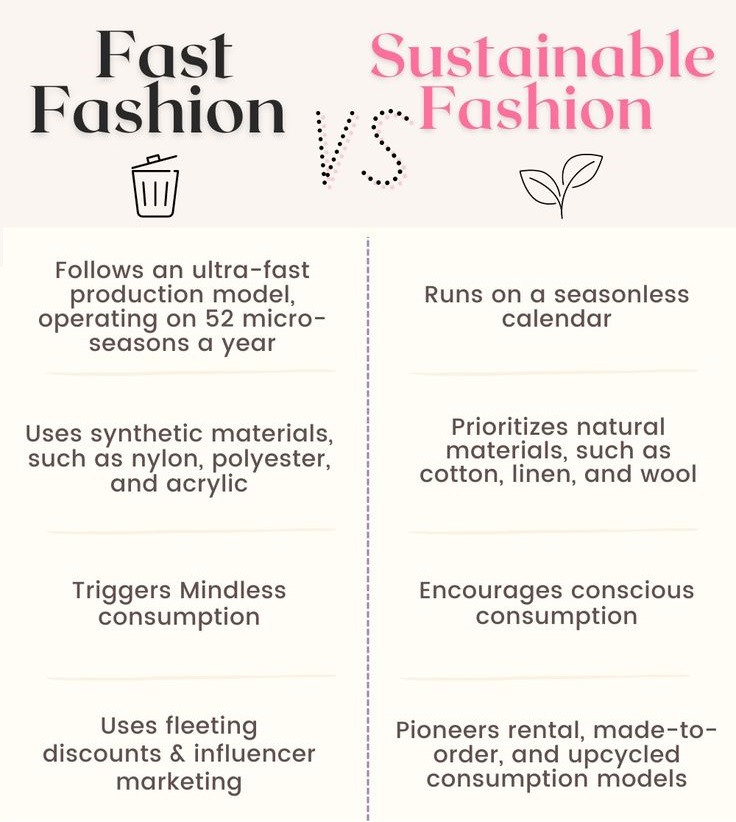
Fast fashion focuses on quantity over quality, whereas slow fashion focuses on:
- Quality: Creating durable, quality products that never go out of style.
- Ethical Manufacturing: Fair pay and decent working conditions.
- Sustainability: Using itself based on sustainable materials and low-waste process.
Slow Fashion Advantages
Adopting slow fashion offers long-term advantages:
- Reduced Waste: Consumers purchase fewer, better-quality products, minimizing landfill waste.
- Smaller Carbon Footprint: Eco-friendly materials take less input to produce.
- Workers Paid Fair Wages: Ethical fashion companies provide fair compensation and decent working conditions.
Actionable Business Strategies to Practice Sustainable Business
Being a fashion maker in Singapore or a green initiative startup company, follow these actionable business practices to ensure greater sustainability in business:
3.1 Transparency in the supply chain
- All materials shall be ethically sourced.
- Collaborate with fair-trade approved suppliers.
- Offer traceability reports for customers where materials originate.
3.2 Green manufacturing practices
- Clothing manufacturers in Singapore shall make use of renewable resources.
- Minimize water usage with low-water dyeing methods.
- Streamline logistics to reduce carbon emissions from transport.
3.3 Recycling Initiatives
- Get customers to bring back old clothes for recycling or reuse.
- Several brands now provide discounts or store credit for used clothing.
3.4 Transitioning to Eco-Friendly Materials
If you are a clothing manufacturers in Singapore, think about transitioning to:
- Hemp: Requires little water and no pesticides.
- Bamboo: Naturally antibacterial and also naturally biodegradable.
- Tencel (Lyocell): Fibres are made from wood pulp using a sustainable process.
A Case Study: A Fashion Brand Steps Down on Its Carbon Footprint
Using organic cotton and recycled polyester led to a 40 percent cut in carbon emissions for one of Singapore’s leading fashion brands. This helped lessen carbon emissions and generated 25% more customer engagement for the brand when marketing the green initiative.
Sustainability isn't only good for the world but also business.
Sustainable Branding for Increased Awareness
4.1 Informing the Consumer
People desire sustainable shopping but do not know what sustainable options are. Companies can facilitate this by:
- Placing sustainability tags on items.
- Developing social media educational posts.
- Organizing awareness events on responsible fashion.
4.2 Corporate Image & Social Responsibility
Firms that adopt sustainability earn customer confidence and loyalty. Research indicates that:
- 66% of global consumers are willing to pay extra for sustainable products.
- 73% of millennials are more likely to be loyal to brands with a social good commitment.
Highlighting sustainability initiatives means brands can build a strong ethical brand image and stand out in the marketplace.
4.3 Partnering with Green Companies
Companies can leverage their influence by partnering with:
Green NGOs to support sustainable causes.
Recycling initiatives to minimize textile waste.
Research institutions & universities to create innovative textiles.
Sustainable Fashion: A Guide to Reducing Your Carbon Footprint
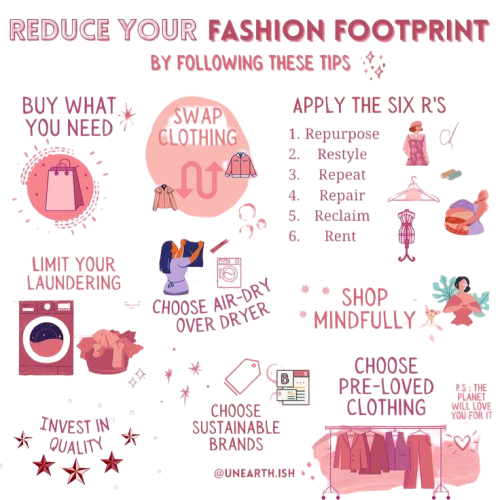
One of the best tools in the fight against climate change is sustainable fashion practices. You want to know how to reduce carbon footprint with sustainable fashion materials. Opting for sustainable materials such as organic cotton, hemp, and recycled fabrics will also help minimize your environmental footprint. These all-natural fabrics are more sustainable, require fewer greenhouse gases, and have less natural resource input. They can also make a difference in supporting ethical clothing manufacturers in Singapore who practice green production methods.
Additionally, slow fashion implies a commitment to purchasing quality, sustainable clothing rather than mindlessly jumping on the fast-fashion bandwagon. Combining second-hand clothing, reusing existing clothing, and joining clothing recycling programs keeps clothing out of landfills. The less energy you use while doing laundry, the better, which makes energy-efficient laundry practices, like washing in cold water or using a hanging dryer instead of a machine dryer, even better for the environment.
There are endless ways for consumers and businesses to look for, platform, and shop this kind of data and much more. Erupting wasteful industries through this conscious approach to fashion equals a considerable lower carbon footprint.
Conclusion: Will Sustainable Fashion Take The Stage?
Yes! However, sustainable fashion offers a clear and immediate way to combat it, considering fashion is one of the largest contributors to climate change. Related: Why work with the right Clothing manufacturers in Singapore? Fashion can also drastically reduce its carbon footprint with sustainable design processes, mindful use of natural resources, and recycling norms. The world isn’t all about saving the world; it’s about reimagining how we make things, buy things, and think about fashion.
To us as consumers, sustainability boils down to mindfulness in our purchases, a quality over quantity approach, favouring sustainable brands, and a drive for ethical fashion myth busters. For companies, sustainability is no longer just an ecological imperative; it is the ability to generate positive brand recognition, obtain buyers’ allegiance, and stay significant in a crowded field that’s ever more interested in eco-friendly clothing construction.
Be part of the change. With ActiveCool Fashion, we offer sustainable fashion collections that protect the planet.